
Početna stranica » Blog » Design Analysis: UI and UX at Casea Casino in New Zealand

We are taking an in-depth look at the digital design landscape of Casea Casino, a notable online gaming platform for New Zealand players. This review centers exclusively on its user interface and user experience, analysing how design choices impact navigation, engagement, and overall player satisfaction in a competitive market.
Upon accessing Casea Casino, New Zealand players are met by a refined and modern visual interface. The colour palette is carefully curated, typically tilting towards dark backgrounds with vibrant accent colours that showcase key game titles and promotional banners. This produces a visually stimulating yet comfortable environment for extended play sessions, minimizing eye strain during late-night gaming.
Typefaces and iconography are consistently applied across the platform, ensuring clarity and ease of understanding. Game thumbnails are high-resolution and dynamic, often featuring subtle animations that bring the lobby to life without being overwhelming. The overall aesthetic conveys a sense of premium quality and trustworthiness, crucial for establishing credibility with particular Kiwi players.
The initial sign-up process is effective, but the journey immediately after registration could be more guided. A brief, interactive tutorial pointing out key areas of the casino—like where to find specific game types, how to claim a first deposit bonus, and how to set deposit limits—could minimize initial friction.
This isn’t about a lengthy, forced walkthrough. Instead, it could be a subtle, optional series of tooltips that users can activate or dismiss. This proactive guidance demonstrates investment in the player’s long-term comfort and success on the platform, fostering loyalty from the very first login.
We advise a tiered approach to onboarding. New players could see gentle highlights on core features, while the option for a more comprehensive guide stays in the help section. This respects user autonomy while ensuring crucial information about responsible gambling tools and key functionalities is easy to find.
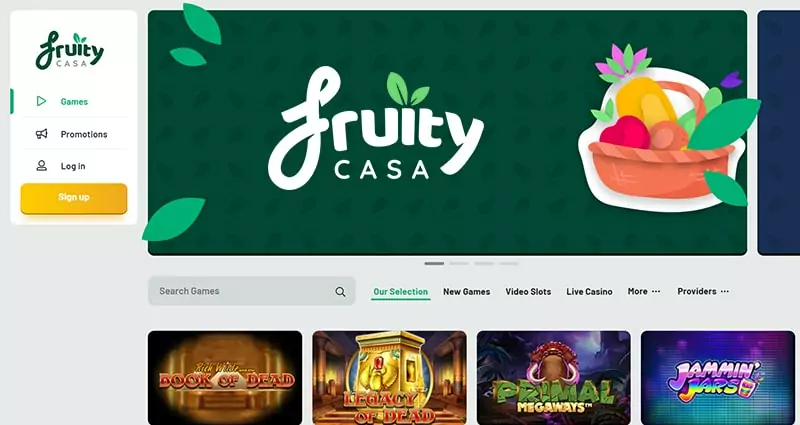
User-friendly navigation is the backbone of any profitable online casino. We find Casea Casino’s main menu and site structure to be well organised, with key categories like Games, Promotions, Banking, and Support visibly displayed. A always-available search bar and filtering system enable for rapid game discovery, which is crucial when handling with a library of hundreds of titles.
The hierarchical structure stops users from feeling lost. Key user actions, such as depositing funds or accessing live chat, are consistently more than two clicks away. This optimised architecture prioritises the player’s time and actively contributes to a seamless experience from the time they log in to the time they cash out.
For returning players, the platform effectively uses graphical cues and personalised sections like “Recently Played” or “Favourites.” This intelligent curation converts a vast game library into a customised playground, improving user retention and engagement through intelligent, user-centric design.
Beyond still graphics, the sensation of an platform is defined by its performance. We evaluate elements like page load speed, game launch time, and menu reaction. A laggy interface can frustrate players and shatter focus, especially during rapid live dealer games or complex slot rounds.
Casea Casino generally demonstrates robust technical performance. Visuals are fluid, and transitions between sections are fast. This technical refinement is a quiet but significant factor to the total premium feel, making actions feel immediate and rewarding.
When we assess Casea Casino’s interface against general expectations in the New Zealand iGaming market, it does well. The platform meets and often goes beyond baseline standards for speed, game variety presentation, and mobile functionality. It avoids common pitfalls like cluttered layouts or opaque bonus terms.
However, the market is changing. Players now look for a degree of intelligent automation and predictive personalisation. The next frontier for a platform of this calibre involves leveraging user data not just for curation, but for anticipatory design. This could include smart notifications for favourite game updates or personalised bonus offers based on play history.
Staying ahead demands continuous user research and A/B testing specific to the Kiwi audience. What works for European players may not connect in New Zealand. The design team’s commitment to localised iteration will be the key differentiator in maintaining a superior UX as competitor platforms catch up on core functionalities.
A well-designed interface is more than facilitate play; it actively builds trust. Every uniform element, every clear transaction step, and every quick-loading page strengthens the platform’s reliability. For New Zealand players, who are often cautious with online services, this structured trust is a critical retention tool.
Retention is additionally driven by reducing points of frustration. A seamless cashout process, easy access to support, and clear terms all support a positive net sentiment. Players are less inclined to abandon a platform where they feel in control and informed, directly impacting the operator’s long-term commercial success.
We can follow a direct line from thoughtful UX to player loyalty. The reduction in support tickets for navigational issues alone allows customer service to focus on more complex queries, improving overall service quality. Good design, therefore, creates a positive cycle that helps both the user and the operator.
While the overall UI/UX is strong, no platform is flawless. Through our analysis, we highlight potential areas where incremental design improvements could further elevate the player experience for the New Zealand audience. These observations are made from a perspective of optimising an already solid foundation.
While basic personalisation exists, there is room for deeper user control. Advanced players often enjoy the ability to customize their interface more granularly. Introducing these features would accommodate power users without making complex the experience for new players.
We believe adding optional settings for power users could be beneficial. Imagine enabling players to create custom game lists beyond a simple “Favourites” folder, or to set default sorting options for the game lobby. A “dark mode” intensity slider or the ability to hide certain promotional elements for a cleaner view would put more control in the user’s hands.
These enhancements would change the platform from a one-size-fits-all solution to a more versatile digital space. They acknowledge the diverse preferences within the New Zealand player base, allowing individuals to build an interface that perfectly matches their unique play style and visual comfort. The key is implementing these as opt-in advanced settings.
The game lobby is the center of the casino experience. Casea Casino showcases its extensive portfolio through a mix of curated categories and powerful filters. Players can organize by studio, game type, newness, or popularity. This versatile approach caters to both the explorer seeking new adventures and the experienced player wanting to dive into a go-to slot.
We especially highlight the efficiency of the following discovery features:
This structured discovery system empowers players, converting the possibly overwhelming task of selecting a game into an enjoyable activity itself. It reflects a deep grasp of player psychology and navigation patterns.
The player experience for financial transactions is a vital trust signal. Casea Casino’s cashier section is structured with transparency and safety at its core. Depositing funds is a uncomplicated process, with popular New Zealand payment methods like POLi, PaySafeCard, and credit cards clearly presented with distinctive icons.
Each step in the payment process is paired by detailed instructions and protection reassurances. Transaction histories are comprehensive and simple to export, helping Kiwi players in managing their gaming budgets. The layout here is purposefully utilitarian, emphasising function and clarity over flashy graphics.
We see that verification prompts and bonus terms are connected contextually during transactions. This proactive design helps avoid user errors and misunderstandings regarding wagering requirements, encouraging a more transparent and accountable gaming environment.
True UX quality demands adaptation. For the New Zealand market, this reaches beyond presenting NZD currency. It entails grasping local preferences, colloquialisms, and cultural setting. The platform’s showcasing of rugby-themed offers or events tied to local holidays can significantly boost connection and interaction.
Additionally, responsible gambling features and references to New Zealand-specific support services, like the Department of Internal Affairs, must be smoothly integrated. Their presence and simplicity of use reflect a design mindset that emphasises player well-being alongside enjoyment, matching with both ethical guidelines and local rules.
Presenting bonus terms and promotional conditions explicitly is a major UX challenge in iGaming. Casea Casino uses a combination of engaging visual banners and in-depth, expandable text sections. Key offer details, like bonus codes and wagering requirements, are featured prominently, not hidden in fine print.
This transparent information architecture establishes trust. Players can quickly understand what an offer includes and how to claim it without uncertainty. The design effectively balances marketing appeal with regulatory necessity, ensuring promotions are appealing yet unambiguous for the New Zealand audience.
Access to help is a pillar of good UX. Casea Casino incorporates multiple support channels directly into the user journey. The live chat option is constantly available, often as a subtle but ever-present icon. This offers prompt peace of mind that help is at hand when any issue arise during play.
The FAQ or help centre is typically well-structured, with articles organized under logical headings. For more complex issues, the ticket submission form is designed to guide users in giving necessary information upfront, streamlining the resolution process. This multi-tiered support design efficiently caters different query types and user preferences.
Across New Zealand, a considerable portion of online gaming happens on smartphones and tablets. Casea Casino’s mobile interface is not simply a scaled-down website but a thoughtfully adapted experience. The design employs a mobile-first approach, with a hamburger menu, touch-optimised buttons, and streamlined game grids.
Performance is fluid, with quick load times even on cellular data networks. The transition between desktop and mobile is smooth, keeping visual and functional consistency. This assures players can switch devices without relearning the interface, a key factor for modern, on-the-go users.
Gameplay on mobile is superb, with portrait and landscape modes offered for many titles. Critical functions like balance check, settings, and cashier access are always within thumb’s reach, reflecting a deep understanding of ergonomic mobile design principles.
The existing favorable user experience is built upon sound technical foundations. The implementation of modern web frameworks ensures the interface is both robust and versatile. This technical debt management is essential for introducing future enhancements without compromising current performance for New Zealand users.
Scalability considerations are critical. As the game library increases or new features like cryptocurrency payments are incorporated, the underlying architecture must support them without clutter. A modular design system, where new components conform to established visual and interaction patterns, will be essential for preserving coherence.
We identify several technical priorities for maintaining UX quality:
Putting resources in these areas secures the platform remains future-proof, fit for integrating new technologies like VR game lobbies or enhanced live dealer interfaces while offering a consistently excellent experience for its core New Zealand audience.